


ROLLER SHUTTER CONTACT – FLOOR MOUNT
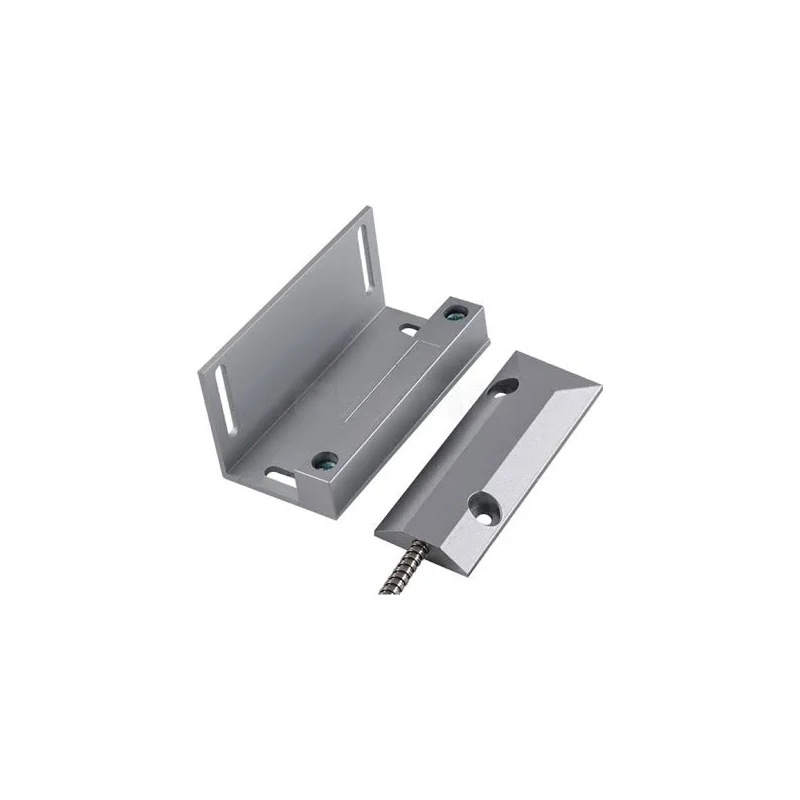
The roller shutter contact with floor mount is a detector from the Sensors and Detectors category of alarm systems. Its job is to tell the alarm system when a roller shutter has been opened, lifted or moved out of its closed position. Roller shutters are widely used to protect shopfronts, warehouse doors, garages and entrances, but a closed shutter on its own does not signal anyone when it is forced. This sensor adds that signal, so the alarm system can respond quickly.
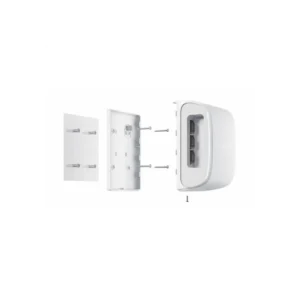
The floor mount design places the sensor at floor level, near the lower edge of the shutter. This is useful where there is no suitable wall or ceiling surface close to the shutter, or where the installer wants the device to sit low and out of the way. The floor position also keeps the sensor in a fixed place relative to the moving curtain, which helps the detector react to movement of the shutter rather than to general activity in the room.
Key features
- Contact sensor for roller shutter doors and grilles
- Floor mount installation for low, discreet positioning
- Reports shutter opening or movement to the connected alarm system
- Part of the Sensors and Detectors range of alarm systems
- Suitable for commercial premises and residential use with roller shutters
How it works
A contact sensor of this type works with a separate part that is mounted on the moving shutter. When the shutter moves away from the sensor, the change is detected and sent to the control panel as an event. The control panel can then trigger an alarm, send a notification or start a set response, depending on how the system has been programmed. Exact technical values such as detection range, cable length and power requirements should be taken from the supplier documentation for this product.
Installation considerations
Before fitting, decide where the sensor and its counterpart part will sit so that they line up correctly when the shutter is closed. Keep the device away from standing water, direct impact and areas where it could be damaged during cleaning or deliveries. Route cables neatly and protect them where they pass through moving areas. Check the mounting instructions and make sure the sensor is compatible with your alarm control unit before connecting it.
Test the system after installation. Open and close the shutter several times and confirm that the control panel records each event as expected. Adjust the position if the sensor triggers too early or fails to register movement. Repeat the test after any change to the shutter or the surrounding structure.
Typical uses
- Shops and retail units with roller shutter fronts
- Warehouses and storage areas with roller shutter doors
- Offices and commercial buildings with secured loading bays
- Garages and workshops with roller shutters
- Homes with external roller shutters on ground-floor windows and doors
Integration with an alarm system
On its own, a contact sensor provides one point of information. Its value increases when it is part of a complete system that includes motion detectors, door and window contacts, keypads and a control unit. Together these components give a clearer picture of activity on the premises and reduce the chance of false alarms caused by a single sensor. The roller shutter contact is therefore best planned as part of the overall layout of the alarm installation.
Use the sensor according to the supplier guidance and the local rules that apply to alarm installations. A properly planned and tested installation gives the best protection for the premises and its users.