


CAT5E Pure Copper Networking Cable: Reliable Wired Networking in 100M, 300M and 500M Lengths
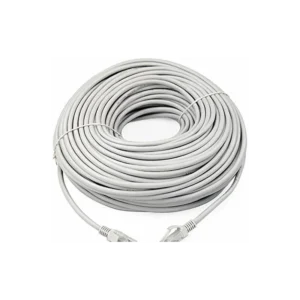
The CAT5E Pure Copper networking cable is designed for wired network connections where a dependable physical link is needed. It belongs to the networking cable range and is available in three lengths: 100 metres, 300 metres and 500 metres. Each length is intended for installations that need a continuous cable run, and the choice between them depends mainly on the distance between the devices you want to connect.
Key Features
- Category: CAT5E networking cable
- Conductors: pure copper
- Available lengths: 100M, 300M and 500M
- Use: wired data connections for computers and network equipment
- Supplied on a reel for cutting to the required length
Why Pure Copper Matters
Copper is the standard conductor for structured Ethernet cabling. Pure copper conductors are the preferred choice for network cable because they carry data signals consistently over the length of a run. For users, this means a cable that behaves predictably when it is installed in a building and connected to switches, routers and end devices.
CAT5E Category
CAT5E is an enhanced version of the original CAT5 standard and is widely used for office, home and small business networks. It is suitable for connecting workstations, printers, servers, telephones with network ports, wireless access points and IP cameras to a central network switch. Many existing buildings already contain CAT5E cabling, so this cable is a practical choice for extending or repairing those networks.
Choosing the Right Length
The three lengths in this range cover different installation needs:
- 100M: suitable for short to medium runs within a room, floor or small office
- 300M: suitable for larger buildings or runs between rooms and distribution points
- 500M: suitable for long runs, cable trays, building-wide wiring or reel-based installation work
Measure the route before you buy, allow extra length for routing and termination, and keep in mind that a single continuous reel avoids the need for in-line joints.
Typical Uses
- Structured cabling in offices and commercial premises
- Home networks linking computers, consoles and media players to a router
- Connecting IP cameras, alarm controllers and network video recorders in security installations
- Wiring wireless access points and network switches
- General IT installation and maintenance work
Installation Tips
Plan cable routes early and avoid sharp bends, tight staples and cable runs that sit close to mains power wiring where possible. Label both ends of each run so the network is easy to maintain. Terminate the cable with suitable connectors, and test each link with a cable tester before the network goes live. Careful handling during installation helps keep the cable performing as intended.
Who It Is For
This cable suits installers, IT technicians, facilities staff and anyone building or upgrading a wired network. It is a practical general-purpose cable for projects where the length of the run, rather than a special feature, is the main deciding factor.