


BNC Screw Type Connector: Secure Coaxial Cable Connection
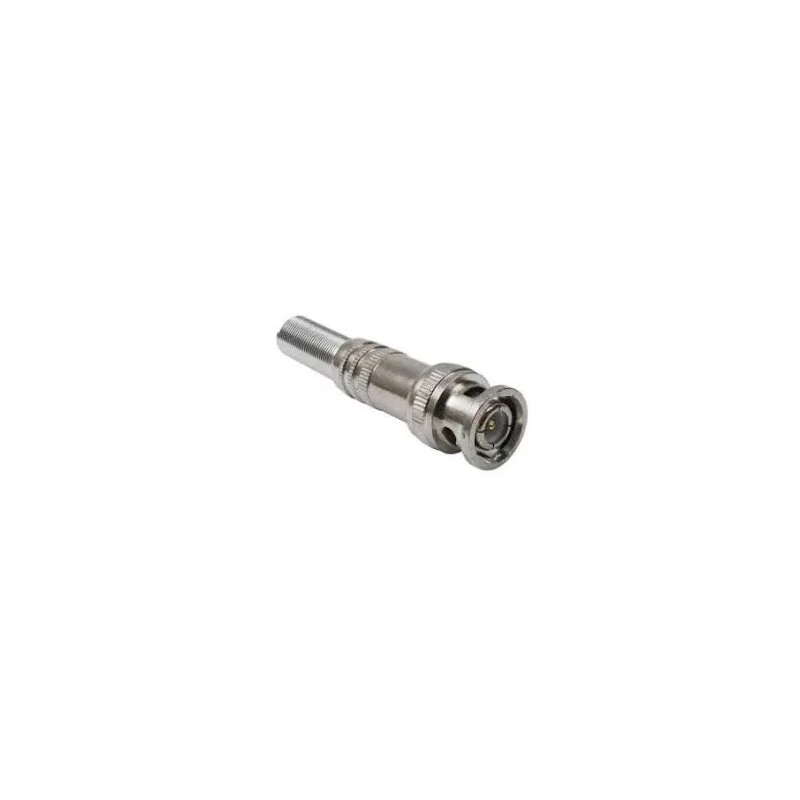
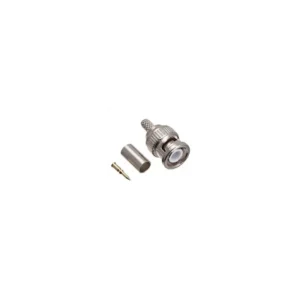
The BNC screw type connector is part of the Connectors and Adaptors range within Tools and Hardware. It is built for joining coaxial cable to equipment or to another cable, with a threaded coupling that keeps the connection secure during use. Where a standard push-on or bayonet fitting might work loose over time, the screw type design offers a firmer hold that many installers prefer for permanent or semi-permanent runs.
Coaxial cabling is common in signal, video and communication setups. Each connection point is a potential weak spot, so a good connector makes a real difference to the overall performance of the system. The BNC format is known for quick connection and disconnection, and the screw type variant combines that convenience with added security.
Key Features
- Threaded screw type coupling for a firm, secure connection
- BNC connector format used with coaxial cable
- Suitable for installation, repair and maintenance work
- Simple to connect by hand, without special tools
- Helps prevent accidental disconnection from vibration or movement
Typical Uses
This connector is well suited to a range of practical tasks. Installers can use it when terminating coaxial cable at equipment ends, workshops can use it for building test leads and patch cables, and maintenance technicians can use it when replacing a worn or damaged connector on an existing run.
- Terminating coaxial cable at equipment connection points
- Building custom patch leads and extension cables
- Repairing or replacing damaged connectors on existing installations
- Fitting out equipment racks and control panels
Installation Tips
Before fitting the connector, check that the cable type and diameter match the connector design. Strip the cable carefully so the conductor and shield are exposed to the correct length, and avoid nicking the inner conductor. Once the connector is attached, screw the coupling onto the mating socket and tighten it by hand until it sits snugly. Overtightening can damage the threads or the connector body, so firm hand tightening is normally enough.
After installation, test the connection to confirm the signal or video passes as expected. If a fault appears, inspect the connector for loose fitting, damaged threads or poor termination before assuming a larger problem. Keeping spare connectors on hand speeds up repairs and reduces downtime.
Why Choose a Screw Type Connector
A screw type connector trades a little extra time during fitting for a more secure joint once it is in place. This is useful in environments where equipment is moved, cabling is handled regularly or vibration is a concern. For fixed installations, the locked connection reduces the risk of intermittent faults caused by a loose plug, which can be difficult and frustrating to diagnose.
Whether you are a professional installer, a technician maintaining existing systems or a hobbyist building your own cables, this connector gives you a dependable point of connection that you can rely on over the long term.